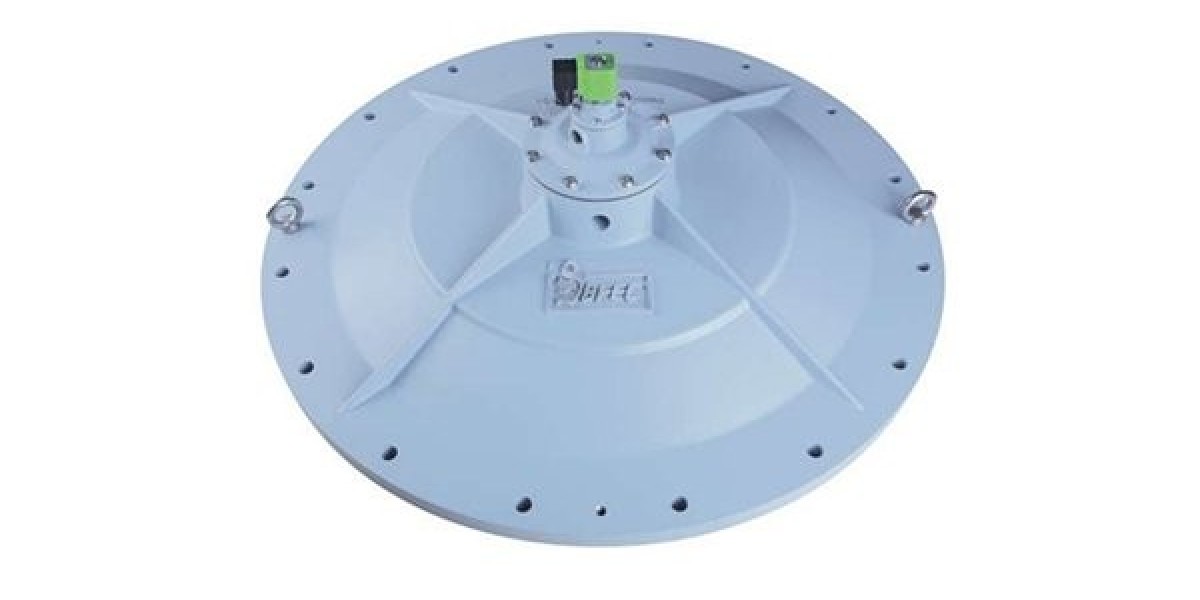

The Explosion-proof Pulse Valve is the core safety component of the dust removal system in explosive dust environments, and its stable operation is directly related to the explosion-proof performance of the system. This manual sorts out common on-site faults from four dimensions: phenomenon identification, cause analysis, self-inspection steps, and maintenance methods. It also emphasizes the special requirements of explosion-proof maintenance to help operation and maintenance personnel quickly identify problems, safely repair them, and avoid the risk of explosion getting out of control due to faults.
I. General Rules for Self-Inspection and Repair of Faults
The principle of safety first
• Power-off and pressure relief: Before maintenance, be sure to cut off the power supply (hang a sign and lock it), slowly open the bypass valve of the valve body or the system pressure relief valve, and confirm that the pressure inside the valve has dropped to 0MPa before operating.
• Explosion-proof environment operation: When conducting maintenance in explosion-hazardous areas (such as dust workshops), it is strictly prohibited to disassemble the explosion-proof enclosure while powered on. Explosion-proof tools (non-sparking materials) must be used to avoid damaging the explosion-proof structure.
• Qualification Requirements: Maintenance of explosion-proof electrical components (coils, junction boxes) must be carried out by certified explosion-proof electrical operation personnel.
Ii. Common Faults and Solutions
Fault 1: The pulse valve does not act after being powered on (no exhaust sound)
Phenomenon
After the control signal is issued, there is no "puff" exhaust sound from the valve body and no compressed air is sprayed out from the injection pipe.
Possible reasons
Specific reasons for the category
Electrical faults include coil burnout, loose/oxidized terminal blocks, missing control signals (PLC output faults), and water ingress and short circuit in explosion-proof junction boxes
The mechanical jamming diaphragm is damaged or stuck, the reset spring is broken or deformed, and the valve core is blocked by dust or foreign objects
External factors such as insufficient compressed air pressure (< 0.4MPa) and oil/water in the air source cause the solenoid valve to get stuck
Self-inspection steps
1. Electrical inspection: Use a multimeter to measure the voltage across the coil (it should comply with the rated value, such as DC24V/AC220V). If the voltage is normal but the coil has no resistance (short circuit) or the resistance is infinite (open circuit), it indicates that the coil is burned out. Check whether the terminal blocks are tight and oxidized (you can clean them with sandpaper).
2. Mechanical inspection: Disassemble the valve cover, observe whether the diaphragm is damaged (cracked, perforated), whether the spring is deformed, and push the valve core by hand to see if it is flexible (jamming may be due to dust blockage, and it needs to be blown clean with compressed air).
3. Air source inspection: Use a pressure gauge to measure the pressure of the main compressed air pipeline (it should be ≥0.45MPa), and open the manual valve to drain the accumulated water/oil stains in the pipeline.
Maintenance method
• Coil burnout: Replace the coil of the same model and explosion-proof grade (such as Ex d IIB T4). Do not disassemble the coil by yourself.
• Diaphragm damage: Remove the old diaphragm (make sure to mark the front and back sides), install a new diaphragm (which should match the valve body specifications, such as φ50mm/φ80mm), and ensure that the sealing surface is free of impurities.
• Spring/valve core jamming: Replace the deformed spring, clean the valve core and valve cavity with alcohol, and remove dust/oil stains.
Fault 2: Weak pulse valve blowing (weak exhaust sound, insufficient pressure)
Phenomenon
There is an exhaust sound but it is dull. The pressure of the spray pipe is less than the design value (for example, the design is 5bar but it is only 3bar in reality), and the dust cleaning effect of the filter bags is poor.
Possible reasons
Specific reasons for the category
The gap at the explosion-proof joint surface of the sealing leakage exceeds the standard (> 0.2mm), the sealing gasket ages (the fluororubber hardens and cracks), and the interface of the spray pipe is loose
Diaphragm issues: Diaphragm aging and reduced elasticity, diaphragm installation misalignment (upside down)
Air source issues: Filter pressure reducing valve failure (low output pressure), pipeline leakage (non-valve body part)
Self-inspection steps
1. Sealing inspection: Close the gas source, fill the valve with 0.5MPa compressed air and maintain the pressure for 5 minutes. Apply soapy water to the explosion-proof joint surface and sealing gasket, and observe if there are any bubbles (bubbles indicate leakage points).
2. Diaphragm inspection: Remove the diaphragm, press it by hand to test its elasticity (aged diaphragms rebound slowly after being pressed), and check the installation direction (usually the grooved side faces the air chamber).
3. Air source pressure test: Directly connect the outlet of the filter pressure reducing valve to the blow pipe to test whether the pressure meets the standard (rule out pipeline leakage).
Maintenance method
• Joint surface leakage: Use fine sandpaper to grind off rust/burrs on the joint surface, apply explosion-proof sealing grease, and apply force evenly diagonally when tightening the bolts (torque as required by the manufacturer, such as 80N·m for M10 bolts).
• Gasket aging: Replace gaskets that meet explosion-proof standards (such as metal wound gaskets, with a temperature resistance of ≥150℃).
• Diaphragm issue: Replace the original factory diaphragm and install it correctly according to the markings (avoid misalignment causing poor sealing).
Fault 3: Air leakage or oil seepage from the valve body or junction box
Phenomenon
There is a distinct sound of air leakage at the valve body flange and end cover, or there is dust/oil accumulation in the junction box, and the casing is rusted.
Possible reasons
Specific reasons for the category
Sealing failure: Dry cracking of explosion-proof sealing putty, loose bolts, and damage to the sealing gasket connecting the valve body and the blow pipe
The explosion-proof structure is damaged, the joint surface is deformed due to collision, the welding part of the shell is cracked, and the cover of the junction box is not tightened
The internal corrosive gas source contains corrosive gases (such as sulfides), and long-term dampness causes rusting of internal parts
Self-inspection steps
1. Visual inspection: Observe the air leakage point (the airflow can be felt by touch), and record the leakage location (flange/end cover/junction box).
2. Explosion-proof structure inspection: Use a feeler gauge to measure the gap at the joint surface (it should be ≤0.2mm), and check whether the casing has cracks or rust (especially at the corners).
3. Corrosion inspection: Disassemble the internal parts and observe whether the diaphragm and spring are rusted (rust can cause movement jamming).
Maintenance method
• External leakage: Tighten loose bolts, replace cracked sealing putty, and reapply sealant for sealing (use putty that matches the explosion-proof grade, such as inorganic putty for Ex d grade).
• Structural damage: Minor deformation of the joint surface can be smoothed out with a fine file; severe deformation requires replacement of the valve body. If the junction box cracks, it needs to be repaired by welding with explosion-proof welding rods. After welding, a new air tightness test should be conducted.
• Internal corrosion: Replace rusted parts (diaphragms, springs), clean the valve cavity and apply anti-rust oil. Subsequently, add moisture-proof agents (such as silicone) regularly.
Fault 4: The electromagnetic coil overheats severely (> 80℃) or has a burnt smell
Phenomenon
After being powered on, the coil housing becomes hot to the touch, or a burnt smell of plastic/rubber can be detected. In severe cases, the coil may be burned out.
Possible reasons
Specific reasons for the category
Electrical short circuit: Insulation layer damage of the coil (water ingress/dust erosion), short circuit of the terminal (copper wire exposed and in contact with the casing)
Overload operation control signal continuous conduction (coil energized for a long time), excessively high voltage (such as AC220V mistakenly connected to AC380V)
Poor heat dissipation: The valve body is installed in a closed space, and the heat dissipation holes of the coil are blocked by dust
Self-inspection steps
1. Temperature test: Use an infrared thermometer to measure the surface temperature of the coil (normal ≤60℃, short-term ≤80℃). Cut off the power immediately if the temperature exceeds the threshold.
2. Insulation inspection: After power-off, use a megohmmeter to measure the insulation resistance of the coil to ground (it should be ≥20MΩ; if it is less than 1MΩ, the coil needs to be replaced).
3. Control signal inspection: Check the PLC program to confirm whether the pulse valve has been wrongly set to the "always powered on" state.
Maintenance method
• Short circuit/Poor insulation: Replace the coil and check if the terminal blocks are securely crimped (the copper wire must be fully inserted into the terminal without any exposure).
• Overload operation: Repair the control logic to ensure that the coil is energized intermittently (the injection cycle is usually 5-30 seconds, with an interval of ≥10 seconds).
• Poor heat dissipation: Clean the dust from the heat dissipation holes of the coil and ensure that there is at least 100mm of heat dissipation space reserved around the valve body.
Fault 5: Failure of explosion-proof performance (such as electrified casing, spark leakage)
Phenomenon
When the casing is found to be electrified with a voltage tester, or when the flame leaks from the joint surface/junction box during an explosion test (in a laboratory test scenario), a secondary explosion may occur on site.
Possible reasons
Specific reasons for the category
The explosion-proof joint surface is damaged, the wear of the joint surface exceeds the standard (gap > 0.2mm), rust is not treated in time, and ordinary tools are used in violation of regulations for disassembly
The explosion-proof electrical components have exposed wires in the junction box, the sealing putty at the inlet has fallen off, and the intrinsically safe circuit parameters do not match (such as the current > the rated value).
The explosion-proof mark (Ex d IIB T4 Gb) is missing and the nameplate is lost, making it impossible to confirm the explosion-proof grade
Self-inspection steps
1. Visual inspection: Check if the explosion-proof mark is clear and if the casing has an "Ex" mark. If there is no mark, stop using it and trace the source.
2. Joint surface inspection: Use a feeler gauge to measure the clearance of each joint surface, with a focus on inspecting the end cover, flange, and junction box cover.
3. Electrical safety inspection: Open the explosion-proof junction box (after power-off), and check whether all the wires are inserted through the sealing putty and there are no exposed conductors.
Maintenance method
• Joint surface damage: Minor wear can be ground smooth with grinding paste (roughness Ra≤6.3μm), and severe wear requires replacement of the valve body (on-site surfacing welding repair is prohibited).
• Electrical explosion-proof failure: Refill with explosion-proof sealing putty (thickness ≥20mm), wires must be protected with explosion-proof flexible tubes, and the use of non-explosion-proof terminals is prohibited.
• Missing identification: Contact the manufacturer to reprint the explosion-proof mark and establish an equipment file to record the explosion-proof information.
Iii. Tests must be conducted after maintenance
1. Air tightness test: Fill the valve with 0.5MPa compressed air and maintain the pressure for 5 minutes. A pressure drop of ≤5% is considered qualified (monitored with a precision pressure gauge).
2. Action test: Simulate the control signal to check whether the diaphragm operates flexibly, whether the exhaust sound is clear, and whether the injection pressure meets the standard.
3. Explosion-proof performance verification
• Visual inspection: The joint surface is undamaged, the seal is intact, and the markings are complete.
When necessary, entrust a third-party testing agency to conduct a pressure test on the flameproof enclosure (test pressure ≥1.5 times the working pressure).
Iv. Preventive Maintenance Periodic Table
Maintain the operation content of the project cycle
Visual inspection and leakage check: Every week, visually inspect the valve body and junction box for air leakage and listen to the sound of operation to see if it is normal
Diaphragm/Spring inspection: Disassemble and check every three months to see if the diaphragm is aged and if the spring is deformed, and clean the dust in the valve cavity
The electrical wiring should be tightened. Check whether the terminal blocks are loose or oxidized every six months and test the insulation resistance of the coil
For the maintenance of explosion-proof joint surfaces, grind off the rust on the joint surfaces every year, apply explosion-proof lubricating grease, and measure whether the clearance meets the standards
The functional test is conducted annually in conjunction with the dust removal system for jet tests to verify whether the pressure and frequency meet the design requirements
V. Appendix: List of Commonly Used Tools
• General tools: Allen wrench sets, adjustable wrenches, screwdrivers (flat-head/cross-head, explosion-proof type)
• Measuring tools: Multimeter (for voltage/resistance measurement), megohmmeter (for insulation measurement), infrared thermometer, feeler gauge (0.02-1mm)
• Maintenance consumables: diaphragms of the same model, gaskets, explosion-proof sealing putty, anti-rust oil, compressed air (oil-free and water-free)
Summary: The core of the Explosion-proof Pulse Valve fault repair is "first power off and pressure relief, then precise positioning, and finally explosion-proof repair". It is strictly prohibited to disassemble the explosion-proof structure while powered on. After the repair, it must pass the air tightness and explosion-proof performance tests. In daily maintenance, focusing on the sealing, electrical insulation and joint surface conditions can significantly reduce the failure rate and ensure the long-term safe operation of the dust removal system.
(Note: Specific maintenance should be carried out in accordance with the manufacturer's manual and the on-site explosion-proof grade requirements. For any uncertain issues, please contact the manufacturer's technical support.)"