
In August 2022, a 26-story white building gleamed in the sunlight in Bishidu Town, Ezhou, Hubei Province. This wasn't a high-end office building, but the world's largest single-unit pig farm. Each floor's facade consisted of regularly spaced floor-to-ceiling windows, seven windows forming a panel, providing natural light for the nearly 300,000 pigs housed in the building.
At the same time, in Nansha, Guangzhou, a 17-story white building with an investment of 1.6 billion yuan and covering an area of 140 acres provides a "river view luxury home" living environment for 350,000 pigs.
Artificial lighting becomes key in a closed era without sunlight
The rampant outbreak of African swine fever has completely transformed China's pig farming industry. Traditional open-plan piggeries are vulnerable to the epidemic, making fully enclosed piggeries the inevitable choice for the industry's survival.
In the 26-story pig farm building in Ezhou, pigs live in an isolated environment from the moment they enter the building . They enter through a dedicated underground passage and are transported to each floor by a dedicated 10-ton pig elevator .
The entire building is almost a completely closed ecosystem : the central control room on the first floor uniformly manages the feeding of feed and drinking water on each floor; the water treatment system on the first underground floor realizes the recycling of drinking water and sewage for pigs in the entire building; the intelligent environmental control system monitors and adjusts the environmental temperature and humidity in real time.
When natural light is blocked, artificial lighting becomes a key factor in maintaining pig health . In a closed environment, light no longer just meets the basic need of "seeing" but also plays a vital role in regulating biological rhythms and promoting growth and development.
The world through the eyes of a pig is very different from that through the eyes of a human
What most farmers don’t know is that pigs’ visual systems differ significantly from humans ’.
According to the "Pig House Lighting Technical Specifications" formulated by the Shenzhen Facility Agriculture Industry Association, the visual spectrum range of pigs is between 350-650nm . They are dichromatic animals , and there are mainly two groups of cone cells in their eyes that sense green light and blue light.
Scientific research shows that pigs are most sensitive to light near the two peaks of 439nm and 556nm , and have a weaker perception of red light (above 650nm). This means that traditional lighting used in human environments is not suitable for pigs .
To complicate matters further, pigs at different stages of growth have different light requirements. Sows in the breeding area require high-intensity light – at least 350 lx – while finishing pigs require a lower-intensity light environment .
"The light needs to reach the sow's eyes," a breeding expert emphasized, "so the lamp must be installed above or in front of the sow's head in the pen, not above the back."
Three key technical points of professional pig farming lighting system
In modern high-rise pig farms, the lighting system is far more than just installing a few lights. It is a complex technology that combines optics, biology and engineering.
Precise control of light intensity and time
Both the American Society of Agricultural Bioengineers and the Canadian Service Program have detailed recommendations for lighting requirements in piggeries. Most researchers agree that a 1/3:2/3 dark- to -light ratio is ideal —8 hours of darkness (10-12 lx) with a maximum of 16 hours of light (greater than 350 lx).
In the sow area of the Ezhou pig farm, light intensity is strictly controlled at above 350lx , which is bright enough for human reading. In the fattening area, light intensity is reduced to around 50lx .
Targeted design of spectrum
Professional pig farming lamps require a special spectrum formula . In the nursery pen, the proportion of blue light is increased to stimulate piglet activity and feeding; in the fattening area, the proportion of red light is increased to promote weight gain.
The standard formulated by the Shenzhen Facility Agriculture Industry Association specifically defines the concept of "pig farming light quality" - that is, the matching quality of the spectral distribution pattern of the 350-650nm band and the spectrum required by pigs.
Lighting selection and installation science
Modern pig farms mainly choose from three types of lamps: three-proof energy-saving lamps, T8 fluorescent lamps and LED lamps. Among them, LED lamps are the most expensive but have the best light quality and the lowest energy consumption.
All lamps must be equipped with "three-proof" lampshades (waterproof, dustproof, and anti-corrosion) to withstand the corrosive environment of high ammonia and high humidity in pig houses .
In terms of installation methods, when the ceiling of a pig house is low, the lamps are usually installed directly on the ceiling. An innovative approach is to install tri-proof lamps in the restraining pen above the sow's head , ensuring that the sow's eyes receive sufficient light with minimal energy consumption.
Future trends in intelligent pig farming lighting
With the penetration of Internet of Things and artificial intelligence technologies, pig farming lighting is undergoing intelligent upgrades.
In the 26-story Ezhou pig farm, the LED lighting system is fully integrated with intelligent environmental control . The system automatically adjusts the light spectrum according to the needs of different pig groups. Dynamic dimming technology mitigates the stress response caused by switching lights on and off, simulating the changes in natural light.
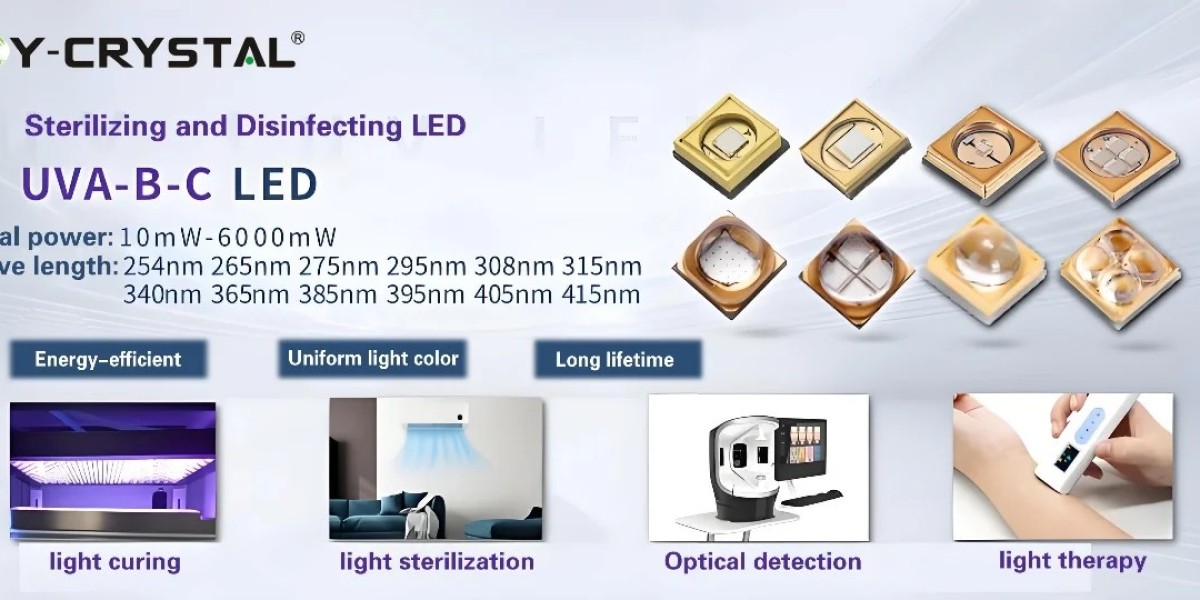
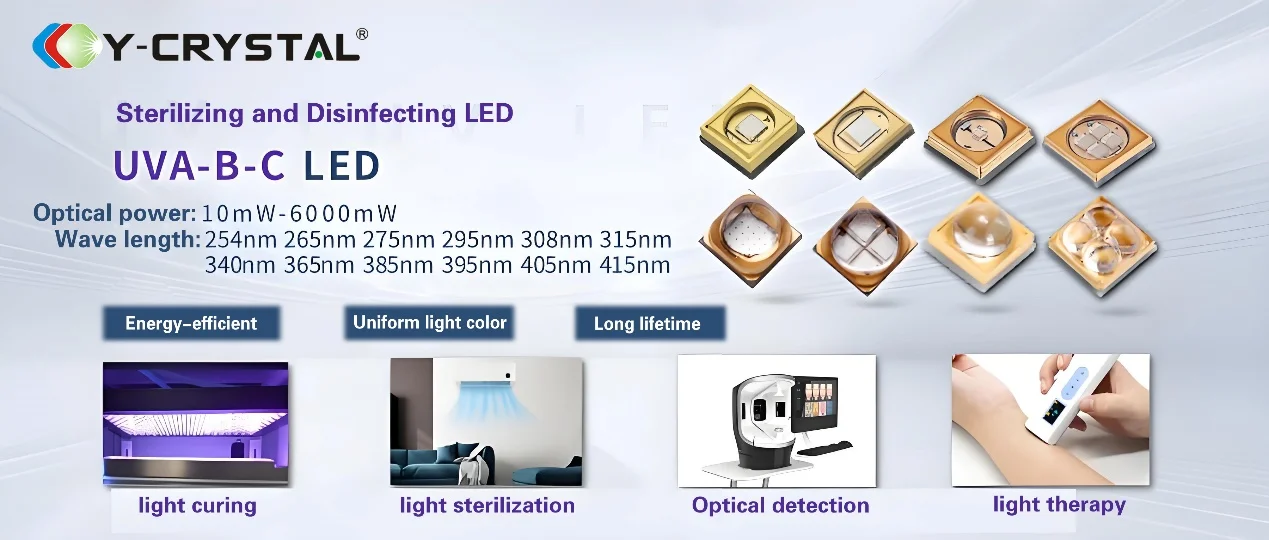
ultraviolet disinfection systems has become a new trend: UVC (short-wave ultraviolet) directly kills viruses in the air, while UVA (long-wave ultraviolet) combines with titanium dioxide nanoparticles to decompose odor molecules such as ammonia through photocatalytic technology, thereby improving the pig house environment.
"The cost of lamps is almost negligible in the overall benefits," an agricultural optics expert pointed out , "The growth promotion and disease reduction brought by professional breeding lamps create a considerable return on investment . "
From Guangzhou's Nansha district to Hubei's Ezhou, white giants are transforming the skyline of China's pig farming industry. Within these sunless towers, every meticulously calculated beam of light silently shapes the future of modern agriculture.
When light replaces sunlight and when data surpasses experience, Chinese farmers use their wisdom to prove that the industrialization of agriculture is not cold mechanical replication, but a deeper understanding and respect for the needs of life.
The last batch of piglets moved into their new home on the top floor of the 26-story Ezhou Pig Farm Building. Unbeknownst to them, every ray of light that illuminates their lives is a meticulous reproduction of nature's rhythms, crafted by human ingenuity.