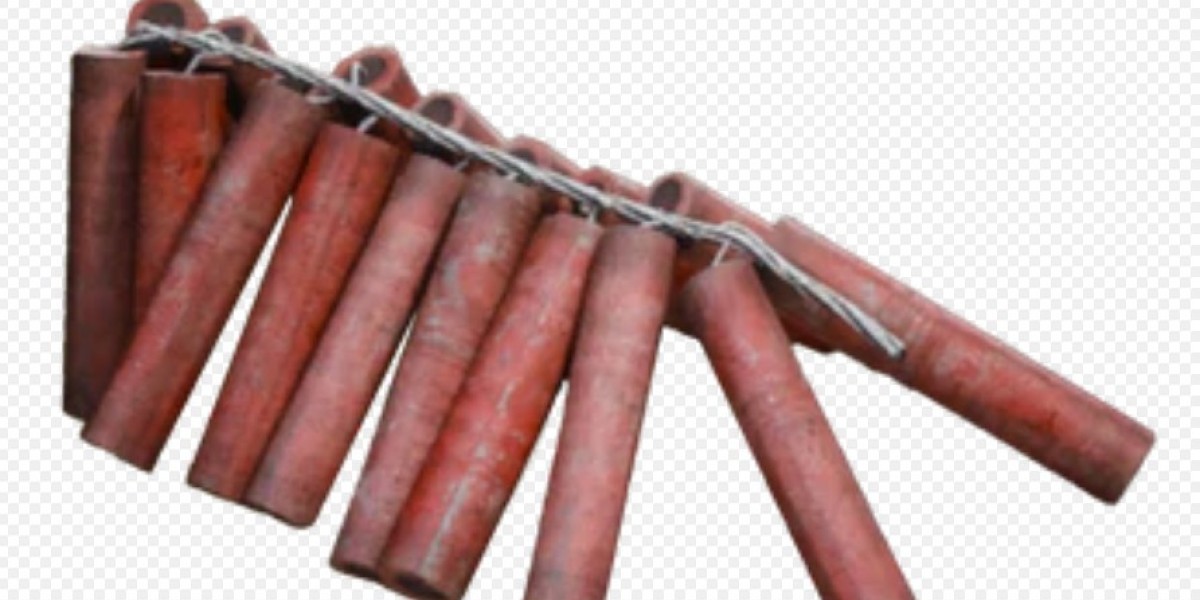

What exactly does a Firecracker do in real gameplay?
A Firecracker makes sound and visual sparks for about 7.5 seconds after landing. It does not deal damage. The important part is that the sound radius is large enough to attract ARC units and alert nearby players.
In real matches, this means three things happen when you throw one:
First, nearby ARC enemies will often turn and move toward the sound. Crawlers, Drones, and similar units are especially easy to redirect.
Second, players hear it from farther away than they expect. Even experienced players will often pause or reposition when they hear repeated popping, because it usually means something is being pulled or baited.
Third, the sparks make the throw location visible. This matters more at night or in darker indoor areas, where the flashes give a clear reference point.
The Firecracker does not “confuse” AI in a smart way. It simply gives them a louder target than you.
Why do players stack or chain Firecrackers?
The “fireworks show” idea comes from using multiple Firecrackers in sequence instead of one. Since Firecrackers stack up to five and weigh almost nothing, players often carry several.
Chaining them does two things in practice:
It keeps enemy attention locked in one area for longer. One Firecracker may pull enemies briefly, but a chain can hold them there long enough for you to loot, revive, or extract.
It creates uncertainty for other players. Multiple sound sources in a short time window make it harder to tell if there is a fight, a distraction, or a team moving through.
Most players do not throw all Firecrackers at once. The common pattern is to throw one, wait a few seconds, then throw another slightly farther away. This creates a moving sound trail that pulls enemies away from your real path.
Where does the “fireworks show” tactic actually work best?
This tactic works best in areas with predictable enemy patrols and limited sightlines.
Industrial zones, scrapyards, and underground sections are ideal. Enemies there tend to cluster and follow sound more reliably. Firecrackers thrown into open fields are much less effective, because enemies spread out and players can visually confirm nothing is happening.
Extraction zones are another common place. Some players throw Firecrackers just before calling extraction to pull nearby ARC units away from the pad. Others do the opposite and throw them far from extraction to make other players think the area is active.
The tactic is weakest in high-visibility areas during daytime. In those situations, sound alone does not override visual detection.
Is the Firecracker actually worth crafting or buying?
This depends on how you play.
If you run solo or do a lot of scavenging-focused raids, Firecrackers are usually worth it. The crafting cost is low, the weight is almost nothing, and they save you from direct fights more often than you might expect.
If you mostly play aggressive PvP or run heavy weapons, they matter less. Firecrackers do not replace grenades or damage tools. They only create space.
Some players skip crafting entirely and just buy them from vendors when available. Others will recycle them if inventory space is tight. A small but steady group of players will even buy Equalizer blueprint early and pair sound distractions with controlled gunfire to manipulate enemy movement more precisely.
In short, Firecrackers are not mandatory, but they reward players who think ahead.
How do experienced players avoid being fooled by a “fireworks show”?
Veteran players learn a few habits that reduce how effective Firecrackers are against them.
They listen for movement after the sound. Firecrackers make noise, but they do not create footsteps, reload sounds, or interaction cues. If nothing follows, it is often a distraction.
They check timing. A single Firecracker during a fight is suspicious. Multiple thrown at regular intervals usually means someone is actively repositioning.
They look for enemy behavior changes. If ARC units suddenly move in one direction without firing, a Firecracker is likely involved. That often tells you where another player is not.
This does not make the tactic useless, but it means it works best when combined with actual movement and map awareness.
Can Firecrackers get you killed?
Yes, and this is important.
The sparks reveal the throw location. If you throw from cover without repositioning, attentive players can trace the angle back to you. New players often stand still after throwing, which defeats the purpose.
Firecrackers can also pull enemies into paths you did not expect. If you chain them poorly, you may end up trapping yourself between redirected ARC units and another squad.
Experienced players always move immediately after throwing and avoid throwing from obvious choke points.
Why do some players call it a “fireworks show” instead of just a distraction?
The name stuck because of how it looks and sounds when done repeatedly. Multiple Firecrackers popping, sparks flashing, enemies converging, and players circling the area creates a chaotic but controlled scene.
It is also a slightly sarcastic term. Firecrackers feel harmless at first, but when used well, they can dominate the flow of a raid without firing a single shot.
Players who have been pulled into bad fights because of chained Firecrackers tend to remember it.
Should new players rely on this tactic?
New players should experiment with it, but not depend on it.
Firecrackers teach good habits: thinking about sound, enemy attention, and positioning. However, they do not replace learning movement, map routes, or combat fundamentals.
The best use early on is simple: throw one to pull enemies away, move, and observe what happens. Over time, players naturally learn when chaining makes sense and when it is unnecessary.