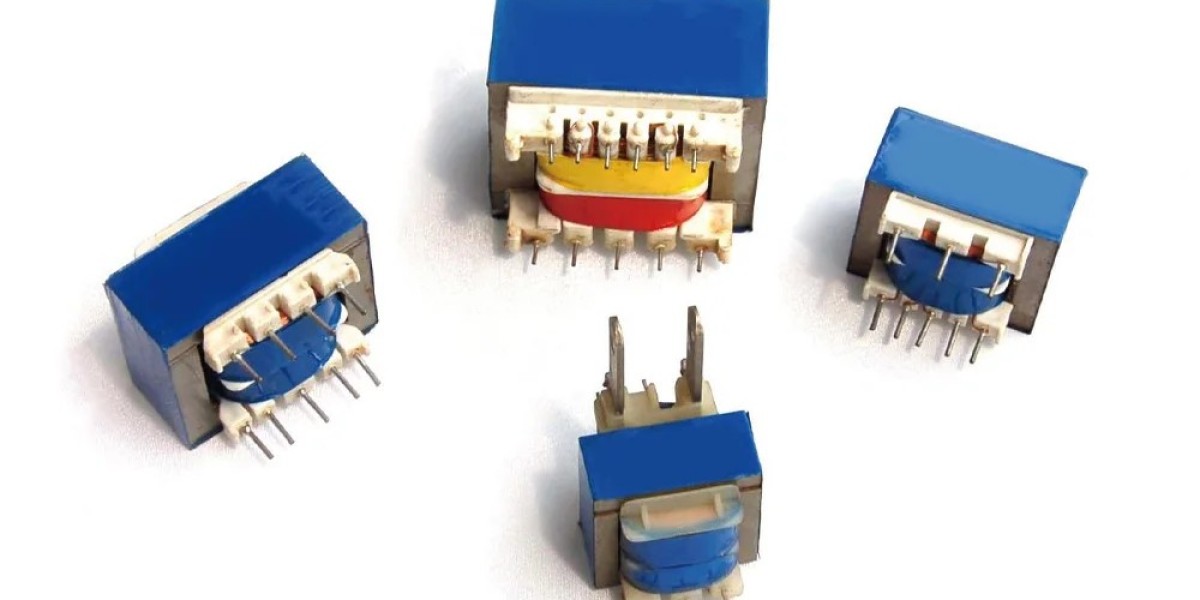

In today’s electronics landscape, the demand for compact, efficient, and safe power conversion continues to rise. From consumer electronics to industrial equipment, every device needs dependable power isolation, voltage regulation, and energy efficiency. At the center of these systems lies a critical component: the flyback transformer.
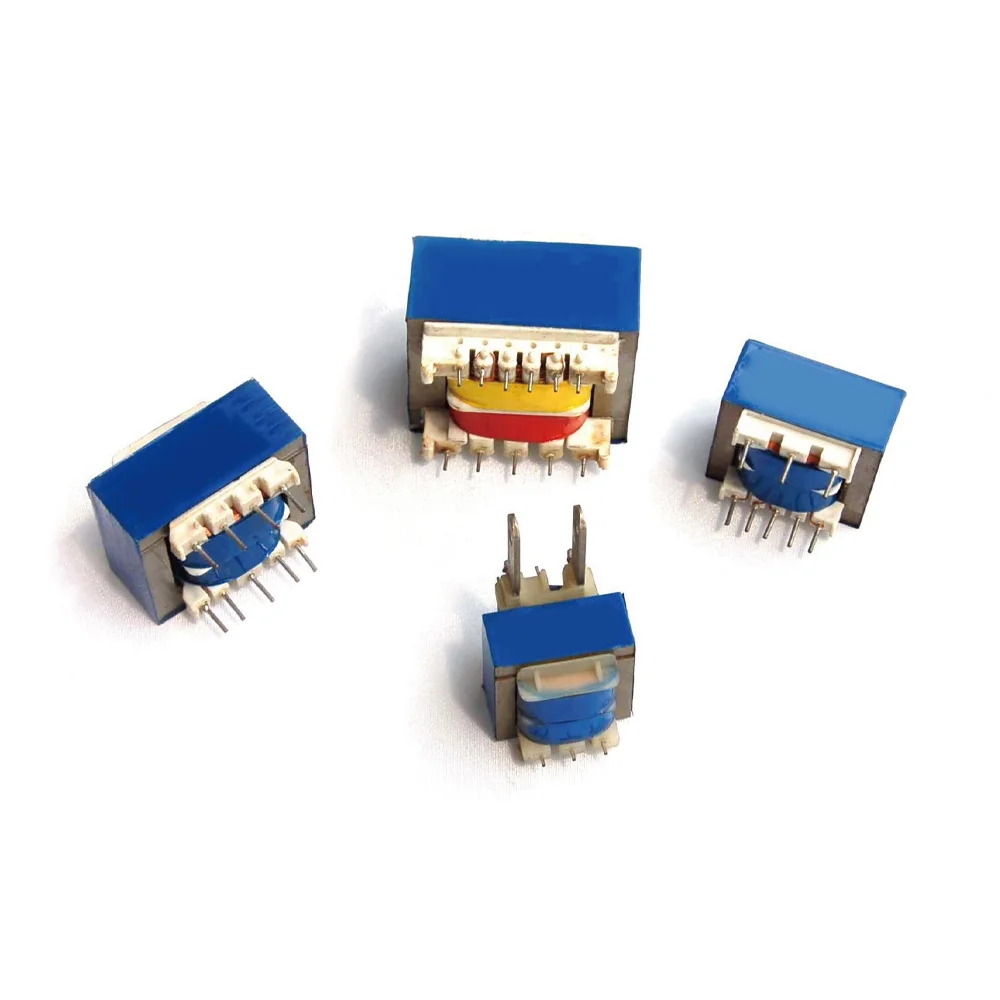
Known for its simplicity, cost-effectiveness, and suitability for low-to-medium power applications, the flyback transformer has evolved through advanced materials, optimized winding techniques, and modern magnetic design. Tianrui, a specialized manufacturer in the transformer industry, continues to refine these components to meet the increasing expectations of global OEM customers.
1. What Makes a Flyback Transformer Unique
Unlike forward or push-pull transformers, flyback transformers store energy during the “on” state of the switching cycle and release it during the “off” state. This operational method provides both power conversion and galvanic isolation within a single compact structure.
Key technical features include:
✔ Energy Storage Within the Core
The air gap in the magnetic core enables temporary energy storage, allowing the transformer to function as both an inductor and a transformer.
✔ Wide Output Voltage Flexibility
By adjusting the duty cycle and turns ratio, multiple isolated outputs with different voltage levels can be achieved.
✔ High Efficiency at Low-to-Medium Power Levels
Flyback topologies are ideal for power ranges typically below 150W, where low cost and high reliability matter most.
✔ Built-In Isolation for Safety
Galvanic isolation protects users and components from high-voltage risks, meeting global safety standards such as UL, IEC, and EN specifications.
This combination of efficiency, isolation, and design flexibility is why flyback transformers remain a cornerstone of modern power supply engineering.
2. Core Engineering Considerations in Flyback Transformer Design
Professional electronics engineers evaluate multiple parameters to ensure stable performance. Tianrui’s engineering team integrates these factors into their custom solutions.
1) Core Material Selection
Magnetic cores must balance energy storage, low losses, and thermal stability.
Common materials used include:
Ferrite (MnZn, NiZn) for high-frequency applications
Powdered iron for special high-current designs
Tianrui selects core materials based on switching frequency, efficiency targets, and thermal requirements.
2) Winding Structure and Insulation
The winding method dramatically influences leakage inductance, EMI behavior, and temperature rise.
Key winding techniques include:
Sectional winding to reduce interlayer voltage
Triple-insulated wire for reinforced safety isolation
Bifilar or trifilar winding for symmetrical outputs
Foil winding for high-current secondary coils
Proper insulation ensures compliance with creepage and clearance standards across global markets.
3) Air Gap Precision
The air gap significantly impacts inductance and energy storage.
Tianrui uses CNC-machined gaps and tight tolerance control to ensure:
Consistent inductance values
Stable switching operation
Reduced core saturation under load
4) Switching Frequency Optimization
Modern SMPS systems use switching speeds ranging from 20 kHz to 200 kHz.
Higher frequencies reduce the transformer size but increase core losses. Achieving an optimal balance is essential for long-term reliability.
5) Thermal Management
Controlling heat is essential to preventing degradation of windings, insulation, and core materials.
Tianrui applies:
High-temperature magnet wire
Low-loss ferrite materials
Vacuum impregnation
High-efficiency winding layouts
This ensures stable performance even under continuous operation.
3. Applications Where Flyback Transformers Deliver Maximum Value
Flyback transformers appear in nearly every industry because of their versatility and safety features. Some common applications include:
✔ Consumer Electronics
Mobile chargers
Set-top boxes
LED drivers
Smart home devices
✔ Industrial & Automation
PLC power modules
Industrial controllers
Sensor power units
✔ Medical Electronics
Isolated low-power supply modules
Monitoring device power systems
✔ Communication Equipment
Routers and modems
Network interface devices
Fiber-optic terminals
✔ Automotive Electronics
On-board chargers (auxiliary circuits)
Battery management systems
Across these applications, the flyback topology remains a reliable, cost-effective solution that meets regulatory requirements.
4. Why Tianrui Is a Trusted Partner for Flyback Transformer Manufacturing
With years of industry expertise, Tianrui combines precision engineering, scalable production, and strict quality control to deliver world-class flyback transformers for OEM and industrial clients.
1) Custom Solutions for Specific Circuits
Tianrui works closely with customers to define:
Turns ratio
Leakage inductance targets
Isolation class
Core type and material
Frequency requirements
Temperature and reliability standards
This ensures full compatibility with customer SMPS designs.
2) Strict Material and Quality Standards
Tianrui employs high-grade ferrite cores, UL-certified wires, advanced insulation materials, and automated winding processes.
3) Comprehensive Testing Capabilities
Transformers undergo tests for:
Hi-pot (isolation)
Inductance and leakage values
Load performance
High-temperature operation
Surge and impulse performance
These measures ensure every product meets global safety and reliability standards.
4) High-Volume Manufacturing Capacity
For global OEM customers, Tianrui offers stable supply chains, flexible order handling, and consistent quality across large production batches.
Conclusion
The flyback transformer remains a fundamental component in modern power electronics due to its efficiency, safety, and versatility. Through advanced engineering, precise material selection, and rigorous quality standards, Tianrui provides solutions that meet the evolving needs of global OEM customers. Whether for consumer electronics, industrial controls, or emerging high-frequency power systems, selecting a well-engineered flyback transformer is essential for stable, long-term device performance.